Overgrown foundation bushes trap moisture against siding, block gutters and invite
pests. Here's what they cost and how far back to cut. Call (732) 642-8686.
Foundation plantings get installed at the size they are the day they go in. Nobody plants
a shrub imagining it at twelve years old. So it grows, and for a while it looks better every season, and then one
summer you notice it's touching the siding and nobody remembers when that started. Overgrown bushes damaging
siding is one of the quieter problems on an older New Jersey property, because nothing dramatic happens on any
single day. The damage accumulates behind the plant where you cannot see it. By the time you can, you're often
looking at repairs that cost more than a decade of trimming would have. This is especially common on older borough
lots, where the house sits close to the property line and the beds were designed for plants that have since doubled in
size. This article covers what happens when shrubs press against a wall, why gutters and pests are part of the same
Trapped Moisture Is the Real Cost
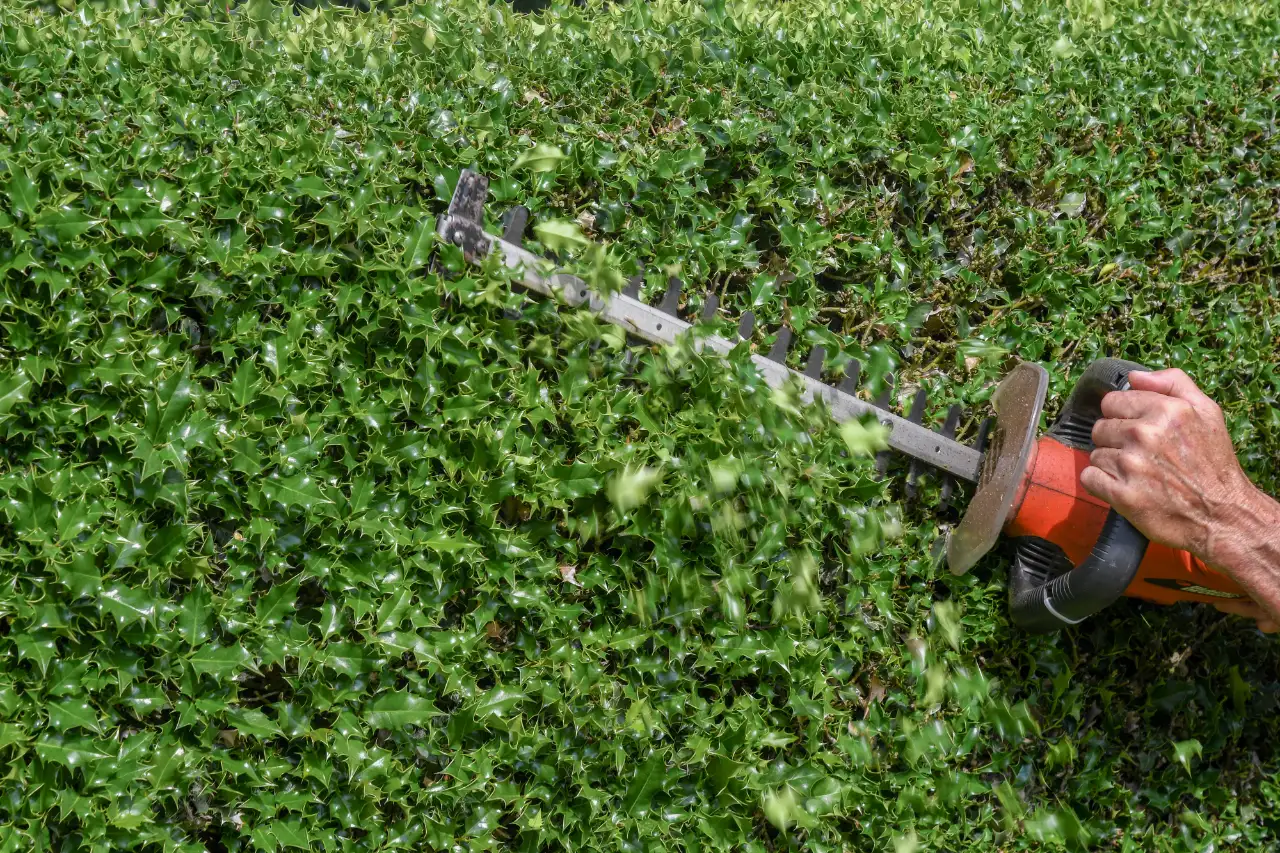
A wall needs to dry out after it rains. Sun and moving air handle that in a few hours under
normal conditions. A shrub pressed against the siding stops both. The surface behind it stays damp for days, and on a
shaded north facing wall it may not fully dry between rains at all. On vinyl that means mildew, staining and eventually
warping where water sits in the seams. On wood it means paint failure first, then rot in the trim and sheathing behind
it. Neither shows until you pull the plant back and look. That is usually the moment a homeowner realizes the
trimming was never really about how the front of the house looked. Clearance around the wall is what keeps the wall
Branches in the Gutters Back Water Into the Fascia
Taller foundation shrubs and small ornamentals eventually reach the gutter line. Branches
drop material directly into the gutter rather than onto the roof, which means it collects faster and in a worse spot. A
gutter that cannot drain backs water over the edge and behind the fascia board, and that is where real money starts.
Fascia rot leads to soffit damage, and soffit damage leads to whatever is behind it. In New Jersey the freeze and thaw cycle makes it faster, because trapped water expands in the seams every cold night. Cutting the plant back below the
gutter line costs a fraction of what one round of fascia replacement costs, and it takes one visit.
Overgrowth Gives Pests a Bridge to the House
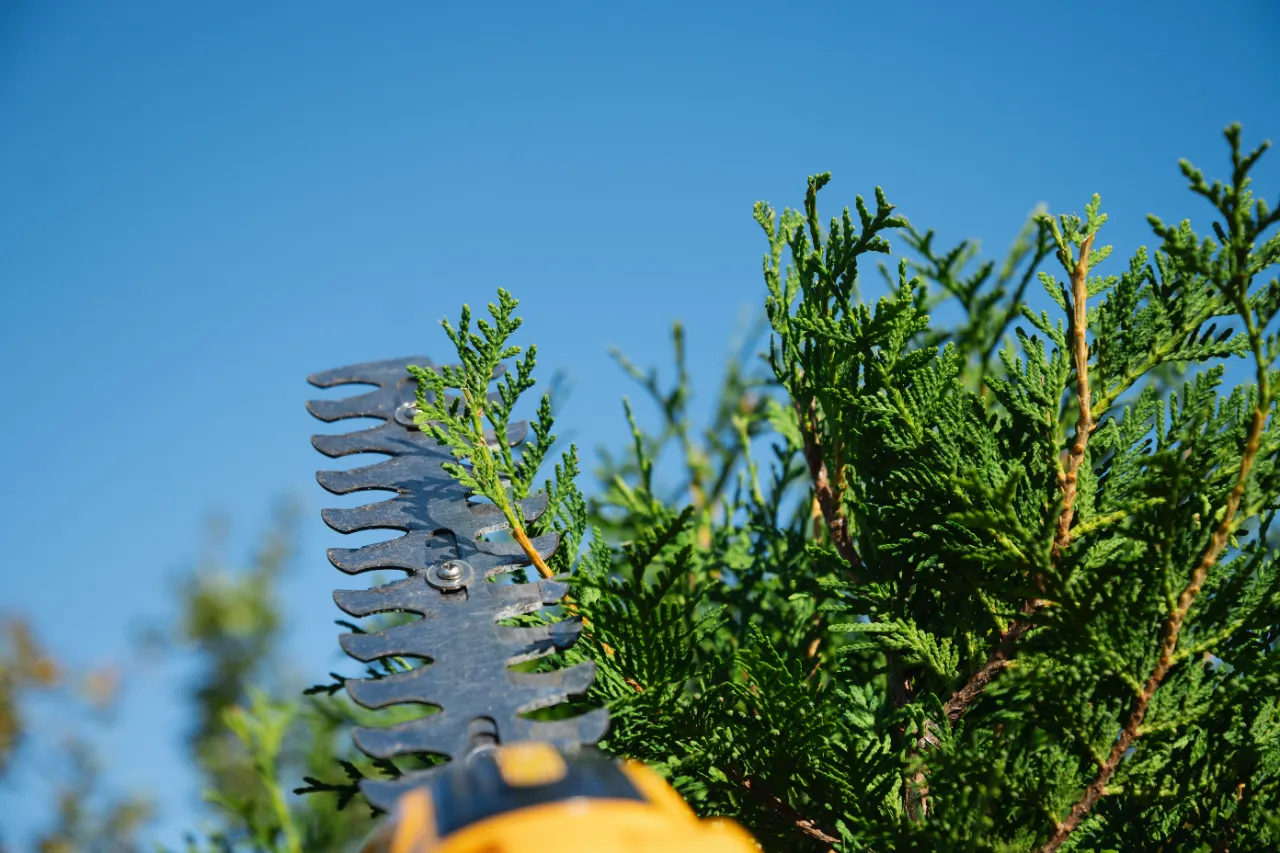
Branches touching a wall are a walkway. Ants, mice and squirrels use them to reach soffits,
vents and any gap in the trim, skipping the ground entirely where they would have to cross open space. Dense shrub
growth against a foundation also holds moisture and leaf litter at ground level, which is exactly the habitat carpenter
ants and termites prefer before they find their way inside. Pest control treatments work far better on a house where
nothing touches the wall. Most technicians will say the same thing on a service visit. Clearance is prevention, and it
costs nothing beyond keeping the plants where they were meant to be in the first place.
How Far Back Bushes Actually Need to Be Cut
The working rule is enough clearance that you can walk between the plant and the wall
without turning sideways, plus room below the gutter line. That usually means cutting back further than looks
comfortable the day it happens. Plants regrow. The trim that looks slightly aggressive in May looks correct by August.
Timing matters more than depth. Spring bloomers get cut right after flowering, evergreens and most hedges take a
trim in late spring or midsummer. Badly overgrown plants often need staged cuts over two seasons rather than one
hard pass, because cutting into bare wood leaves gaps that take a full season to fill. A plant that is dead inside is a
Enough that you can walk between the plant and the wall comfortably, and
enough that nothing touches the gutter line. Cutting to that point usually feels
aggressive the day it happens and looks right within a few months.
If there's green growth through the branches, staged cuts over a season or two
bring the shape back. If the inside is bare wood all the way through,
Spring bloomers right after they flower, or you lose next year's buds. Evergreens
and most hedges take a trim in late spring or midsummer. Timing depends on
It stops the cause, not the symptom. Once the wall can dry, mildew stains
usually clean off. Warped vinyl or rotted wood trim is past cleaning and needs
Most take two cuts a season, late spring and midsummer. Slower growing
shrubs hold their shape with one. Anything crowding a walkway or a wall on a