Sod costs more upfront, seed costs more in time and failed attempts. Here's how to
decide which one your New Jersey lawn needs. Call (732) 642-8686.
Every bare lawn eventually forces this choice. Seed is cheaper by a wide margin on
paper, so most people try it first, and a good number of them try it twice before calling anyone. The sod or seed decision on a New Jersey lawn is not really about price. It's about what conditions you're starting with and how much
control you have over the eight weeks after the work is done. Seed is a bet on conditions. It needs consistent
moisture, decent light, mild temperatures and nobody walking on it while it establishes. Get all four and seed
produces an excellent lawn for a fraction of the cost. Miss one and you're buying seed again next season. Sod
removes most of that risk by arriving already grown, which is why it costs more. The honest comparison isn't sod
against seed at retail prices. It's sod against seed plus the odds of doing it twice. This article covers where each one
actually wins, and how the specific conditions on your property should decide it.
Where Seed Genuinely Wins
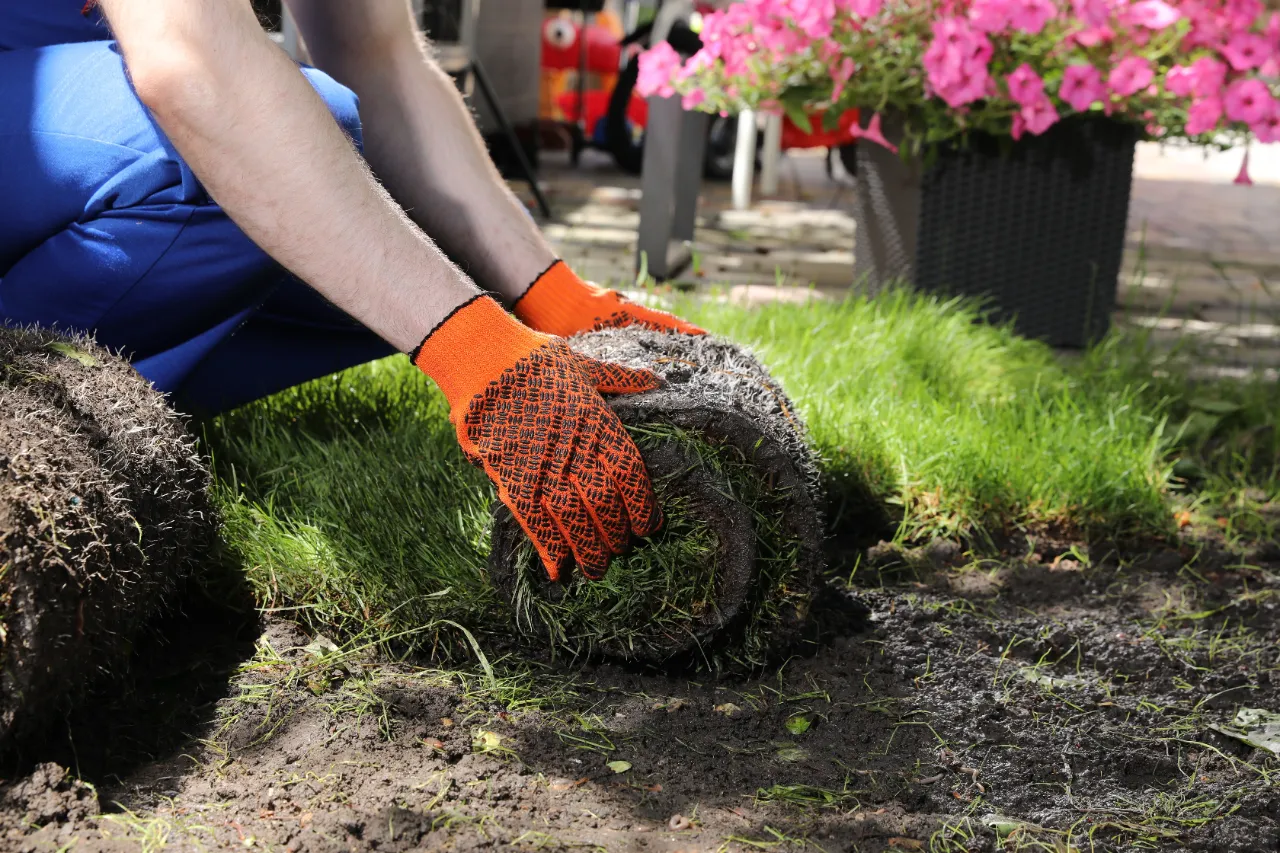
Seed makes sense on a large area with good sun, decent existing soil and a homeowner
willing to water consistently for six weeks. The cost difference at that scale is significant enough that even a partial
failure still comes out ahead. It also gives you far more variety choice, since you can match a blend to the exact light
and traffic conditions instead of taking whatever the sod farm grew. Timing is the catch. Late summer into early fall is
the reliable window in New Jersey, when soil is still warm but the heat has broken and fall rain does part of the
watering. Spring seeding competes with crabgrass germinating at the same temperature, which is why so many spring
Sod wins whenever conditions are working against establishment. Heavy shade is the clearest
case, because seed needs light to germinate and grow, while sod arrives with a root system already built. Slopes are
the second, since seed washes with the first hard rain and sod holds the soil the day it goes down. It also wins on
timing. If a property is on the market, or a construction project left the yard bare in June, waiting for a fall seeding
window is not an option. Sod gives a finished lawn the same day. The other case is repeat failure. Somebody who has
seeded twice has usually spent enough on seed, topsoil and water to have paid for sod on a small yard.
The Prep Work Is Identical, and It Decides Everything
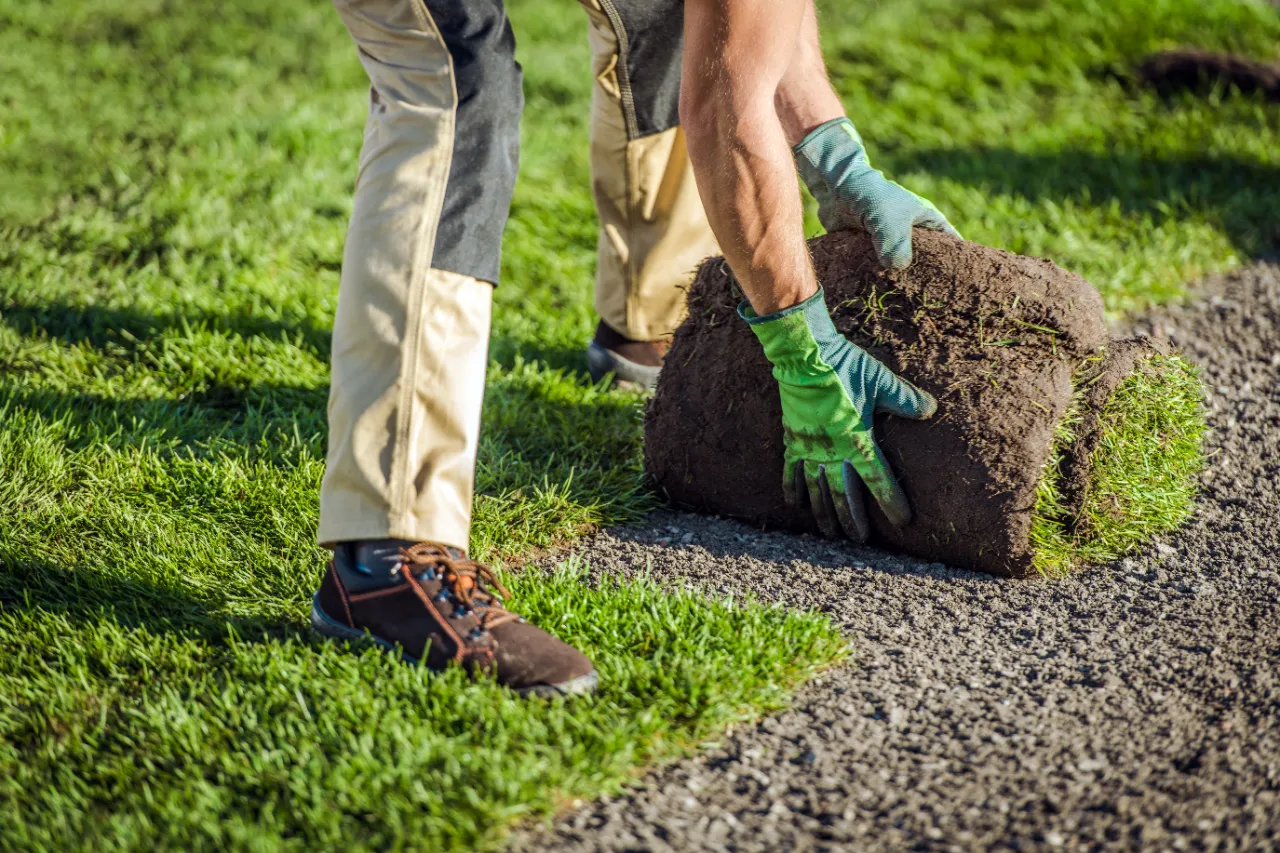
This is where both approaches fail for the same reason. Neither seed nor sod fixes compacted
soil, bad grading or a drainage problem. Seed on hard packed ground germinates and then stalls, because roots
cannot get in. Sod laid over dead turf or unprepared soil stays shallow rooted and lifts within two summers. The work
underneath is the same either way. Old turf comes out, the soil gets loosened and leveled, and grading moves water
away from the foundation rather than letting it sit. A cheap sod job that skips the prep fails faster than a careful
seeding does. When comparing quotes, the difference is usually in what happens before the material arrives, not the
How to Decide on Your Specific Property
Work through it in order. How much direct sun does the area get, honestly measured rather
than estimated? Under four hours, sod is the safer bet and deep shade may not hold either. Is there a slope? Sod. Do
you need it finished this season? Sod. Is it a large open sunny area and you can water reliably starting in late August?
Seed is worth the savings. Have you already tried seeding and lost it? Stop repeating the experiment. The other
question worth asking is how much of the lawn actually needs replacing. Plenty of properties only need dead sections
cut out and sodded while the healthy grass stays, which costs far less than either option applied to the whole yard.
Per square foot, yes, by a lot. Counting a failed seeding attempt plus the topsoil,
water and second bag of seed, the gap narrows considerably. On small yards it
Spring or early fall, when soil is warm and heat isn't fighting a lawn with no
roots. Summer installs work but need far more water and far more attention
Late summer into early fall is the reliable window. Soil is still warm, the heat has
broken and fall rain helps. Spring seeding competes directly with crabgrass
No. Sod on old turf can't reach real soil, so roots stay shallow and the whole
thing lifts by the second summer. The old layer has to come out first, every
About two weeks before regular foot traffic. Roots need to knit into the soil
first. Walking on it early leaves depressions and pulls seams apart, and that
Often not. Dead sections get cut out and sodded while the healthy grass stays.
On a partly failed lawn that's usually the cheaper and faster answer than