Starting spring cleanup too early does more harm than waiting. Here's how to read
the ground, the frost and the calendar in New Jersey. Call (732) 642-8686.
The first warm weekend in March gets everybody outside with a rake. It feels
productive, and it's usually two to four weeks too early. Knowing when to start spring cleanup in New Jersey matters
more than most seasonal timing questions, because the cost of going early is not just wasted effort. It's compaction
and ruts in soft turf that show all summer, and beds worked before the soil has drained that stay dense for the rest of
the year. The right window is narrower than the eagerness suggests and wider than the panic in late April implies. It
comes down to three signals: the ground firming up, the last hard frost passing and the beds drying enough to work
without smearing the soil. This article covers how to read each of those, what happens when the work starts early, and why the properties that look best in June are usually the ones that waited until the ground told them it was
The Ground Has to Firm Up First
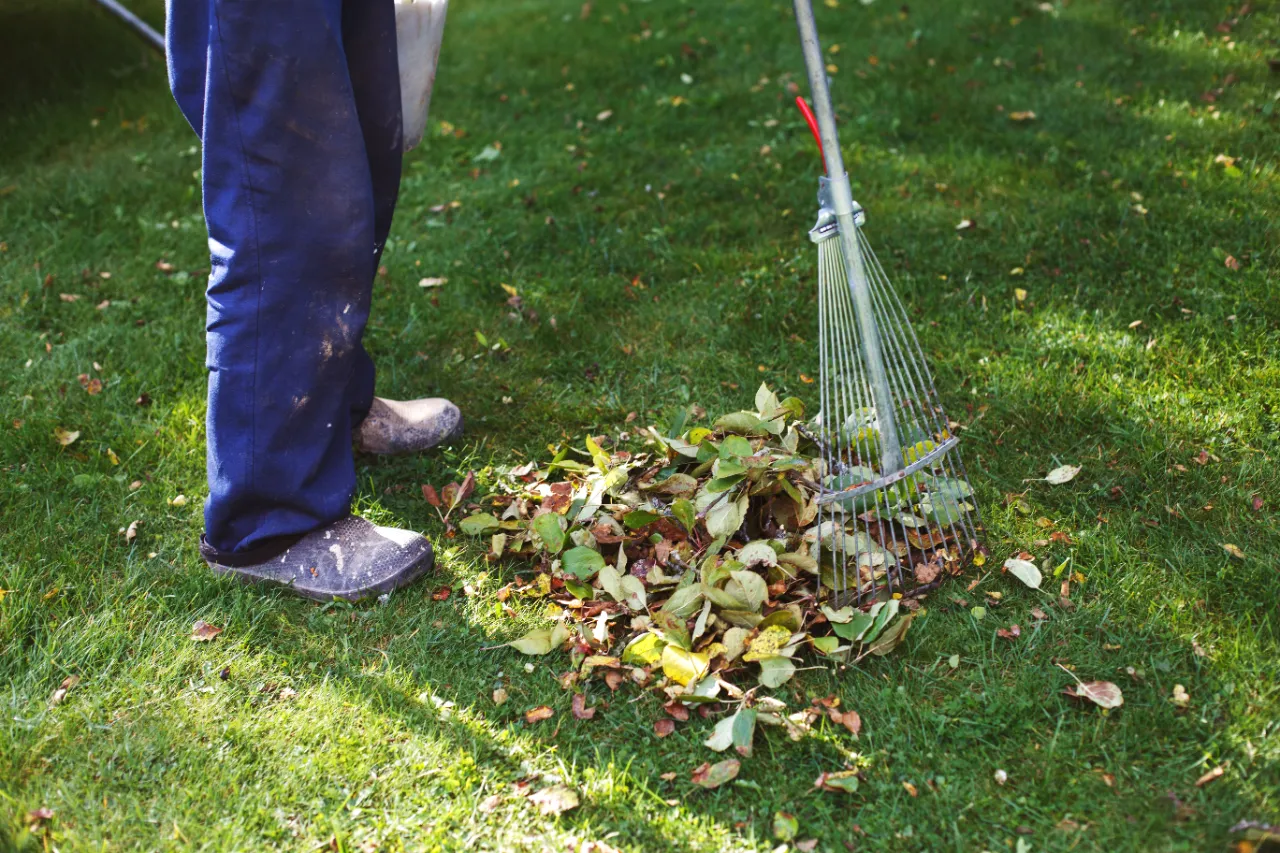
Central New Jersey soil holds water through the winter thaw, and turf sitting on saturated
ground has no structural support. Walking it leaves footprints. Running a mower or a blower over it leaves ruts and
compacts the root zone right when roots are trying to expand. Those ruts do not settle out on their own. They show
every time the sun angles over the lawn for the rest of the season. The practical test is simple. Step on the lawn in a
low spot and look at what you left behind. If the print stays and water pools in it, the property is not ready. If the
ground gives slightly but springs back, the work can start. That test beats any date on a calendar.
Wait Out the Last Hard Frost
Cleaning out beds removes the insulating layer that has been protecting crowns and shallow
roots all winter. Do that before the last hard frost and you have exposed plants right when a cold night can still reach
them. Perennials that were about to break dormancy get set back, and early bulb growth that emerged during a warm
stretch is left with no protection at all. In central New Jersey the last hard frost typically lands somewhere in early to
mid April, though it moves year to year and no date is reliable. Watching the ten day forecast is more useful than
watching the calendar. The insulating layer costs nothing to leave for another week.
Beds Need to Drain Before They Get Worked
Wet soil smears rather than crumbles. Working beds while they're still saturated destroys the
structure that lets water and air move through, and clay heavy soil holds that damage for a full season. The result is a
bed that drains poorly all summer, which stresses everything planted in it. Squeeze a handful of bed soil. If it forms a
tight ball that holds its shape, it's too wet. If it crumbles apart when you open your hand, it's ready. That test takes
ten seconds and prevents a mistake that lasts months. Edging and mulching should wait for the same signal, since
What the Right Window Actually Looks Like
For most central New Jersey properties the work lands late March into April, with April being
the safer half. Sunny open lots dry first and can start earlier. Shaded properties, low corners and anything on heavy
soil run one to two weeks behind, sometimes more. The order matters as much as the date. Debris and branches
come out first, then the leaf layer, then bed cleanup and edging, then mulch onto beds that are already cleared.
Doing mulch before cleanup just buries the problem for a year. Booking ahead is the other half of it. The window is
short, every property in town needs it in the same three weeks, and crews fill up fast.
Usually yes, especially early March. The ground is still soft and the last hard
frost hasn't passed. Late March works on dry sunny lots, but April is safer for
Ruts and compaction on soft turf that show all summer, exposed plant crowns
before the last frost, and smeared bed soil that drains poorly for the rest of the
Yes, though it's a heavier job. Matted leaves that sat all winter come up as a wet
mat rather than loose material, and thin patches underneath may need
time as cleanup? instead of on last season's debris. It's usually two visits spaced close together.
February is comfortable. The window is only a few weeks wide and every
property needs it at the same time, so calling once the weather turns usually